Centella Asiatica (Cica): What It Does for Redness and Sensitive Skin
If snail mucin is the ingredient people know K-beauty for, centella asiatica is the one dermatologists tend to mention first. It is in an enormous number of Korean products, usually labelled cica, and it is there for a specific reason: reactive, easily-irritated skin is extremely common, and centella is one of the gentler ways to address it.
What centella asiatica actually is
Centella asiatica is a small herb that grows in wetlands across Asia. It has a long history in traditional medicine in India, China and Indonesia, which is where the tiger grass nickname comes from — the story goes that tigers rolled in it to heal wounds.
The relevant part for skincare is a group of compounds isolated from the plant, collectively called centellosides. On an ingredient list you may see them named individually.
Madecassoside is the one most associated with calming visible redness and supporting the skin barrier.
Asiaticoside is more associated with the skin's repair processes.
Asiatic acid and madecassic acid are the other two, present in smaller amounts.
You will also see the term TECA or Centella Asiatica Extract, which covers a standardised mix. A product listing the individual compounds usually indicates a more considered formulation than one simply listing the whole-plant extract, though both can work.
Who centella is actually for
Centella is not a transformation ingredient. It is a stabilising one. That makes it useful for a specific set of situations.
Skin that looks red or flushed without an obvious cause. Centella is the standard Korean answer to visible redness that is not rosacea — and if it is rosacea, that is a medical situation for a doctor, not a serum.
Skin that reacts to almost everything. If your reaction to new products is stinging, tightness or blotchiness, centella formulations are usually where to start because they are unlikely to make things worse.
Skin recovering from something. After too much exfoliation, a retinoid ramp-up that went too fast, sun exposure or a course of strong treatment, centella products are what people reach for to settle things down.
Blemish-prone skin that cannot tolerate harsh acne products. Centella addresses the irritation half of the problem rather than the bacteria half.
What it will not do: clear active acne, fade dark spots meaningfully, or replace sunscreen.
How to use it without overdoing it
The mistake with cica is treating it as a rescue product used only in emergencies. It works better as a background layer.
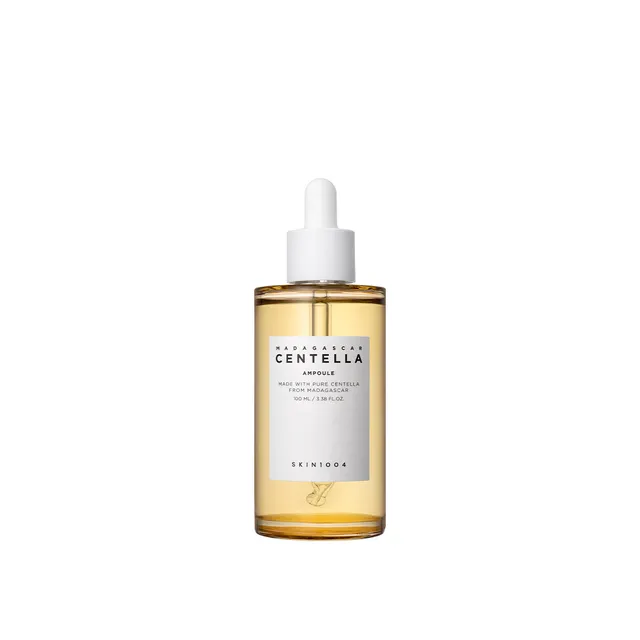
An ampoule or serum after toner is the most flexible format — the SKIN1004 Madagascar Centella line is the reference point here, and their centella ampoule is what most people start with.
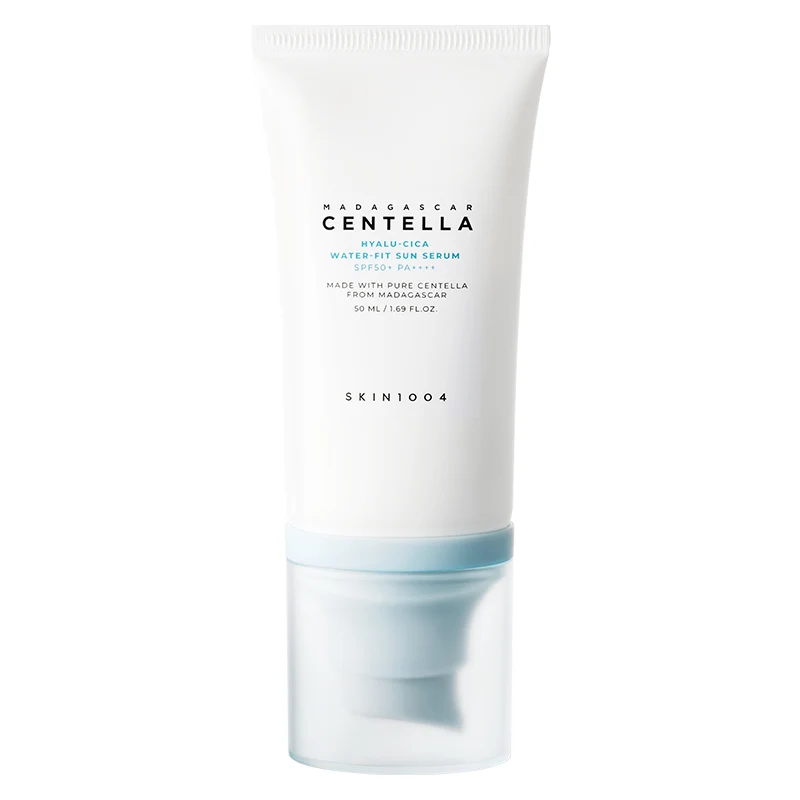
A sunscreen with centella in the base does two jobs at once, which is genuinely useful given that sun exposure is a leading cause of the redness you are trying to calm. The SKIN1004 Water-Fit Sun Serum is built this way.
A toner or cream for daily maintenance rather than crisis use.
Layer it early — thin textures first, then heavier ones. Centella pairs well with almost everything, including snail mucin, hyaluronic acid and niacinamide. If you use retinoids or acids, applying a centella layer on alternate nights is a common way to stay comfortable.
Centella and snail mucin together
People ask whether to choose one. The honest answer is that they do different jobs and layer well.
Snail mucin is primarily hydration and repair support — it brings glycoproteins, hyaluronic acid, allantoin and a small amount of glycolic acid.
Centella is primarily calming and barrier support.
If your main complaint is dehydration and dullness, start with snail mucin. If it is redness and reactivity, start with centella. If it is both, use the centella ampoule first and the snail essence over it, then moisturise.
A realistic expectation
Centella is a slow, quiet ingredient. You will not see a dramatic before-and-after. What people usually report after a few weeks is that their skin stops flaring as often, tolerates more, and looks less angry in photographs.
That is worth having. It is not a headline.
As always: this is general information rather than medical advice, patch test anything new for twenty-four hours before full use, and if redness is persistent, painful or spreading, see a doctor rather than buying another serum.
Ready to start your routine?
Take the 60-second skin quiz and get a routine built for you.
Take the Quiz →Products mentioned in this article
Authentic, shipped worldwide from Seoul.